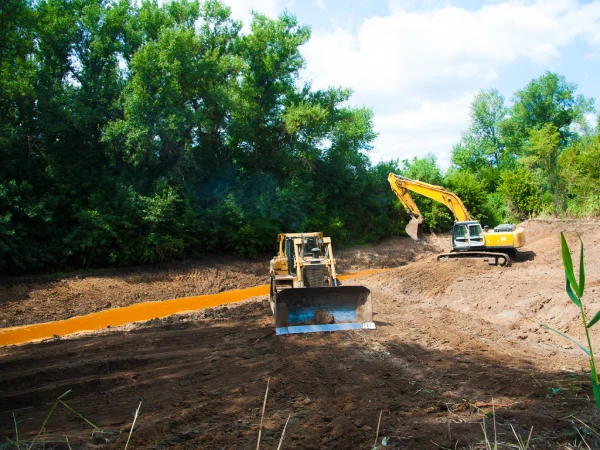
Native Land Hydroseeding has spent more than 25 years working on large-scale commercial and industrial land projects, and over that time our focus has shifted almost entirely toward the industries that need serious, large-footprint site stabilization and reclamation. Rather than general lawn care, our work centers on the kind of disturbed ground that shows up after construction, energy development, or ongoing industrial operations — sites where getting vegetation established quickly and controlling erosion isn’t optional, it’s part of finishing the project. Below are the industries and project types we work with most, across our service region covering Oklahoma, Kansas, Missouri, Arkansas, and parts of North Texas.
Today, Native Land Hydroseeding operates as Native Land Lawn Care and Hydro Seeding’s commercial division, working under the Native Land Hydroseeding name because that’s the work we do — hydroseeding, erosion control, and environmental restoration for pipeline, energy, industrial, and landfill projects across a multi-state region.
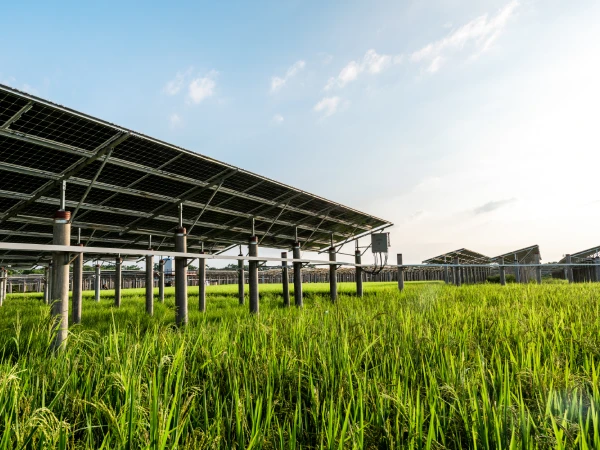
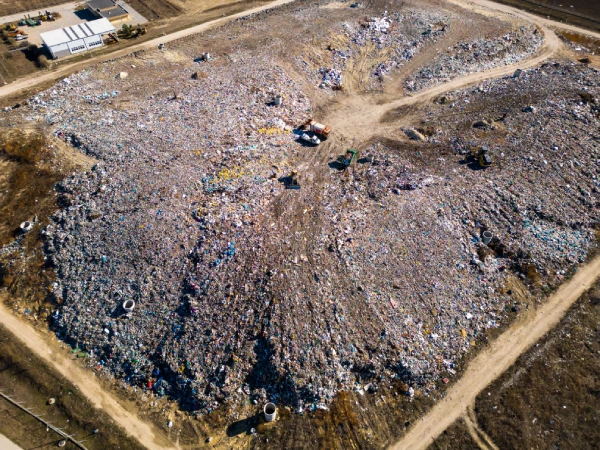
Landfill operators are some of our most consistent clients, and for good reason: landfill sites don’t get reclaimed once and left alone. As new cells are filled and capped, or as sections of a site reach the end of their active use, those areas need to be stabilized and revegetated — and the cycle repeats as the landfill continues to operate. We’ve built our process around this kind of recurring reclamation work, returning to a site as new areas require attention rather than treating it as a single, one-time job.
Data center construction creates a different but related need. Building out a data center campus typically involves clearing and grading large areas of land, leaving behind exposed soil across acreage that can be difficult to manage with standard seeding methods. Once construction activity moves toward completion, that disturbed ground needs to be brought back to a stable, vegetated condition — both to meet site requirements and to prevent erosion and runoff from becoming an ongoing problem.
For both landfill and data center sites, we typically combine hydroseeding to establish vegetation across the disturbed area, erosion control to stabilize slopes and drainage paths in the meantime, and environmental restoration to manage the project as a whole — with land clearing coordinated ahead of time where a site still needs to be prepped.
From single-phase jobs to ongoing, multi-year reclamation contracts, we bring hydroseeding and erosion control to industrial sites across Oklahoma, Kansas, Missouri, and Arkansas. Reach out to talk through your site.
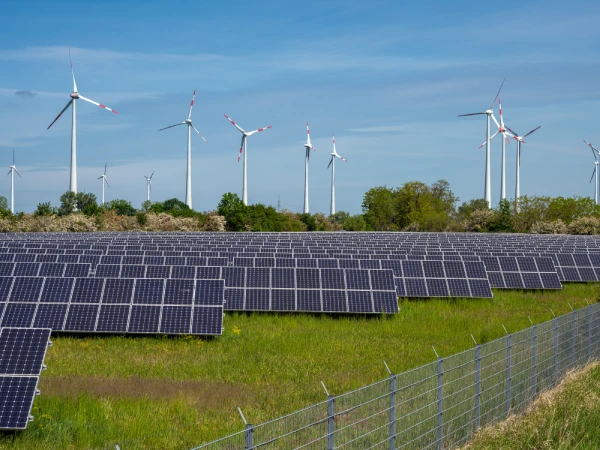
Power generation facilities, like other large industrial sites, often involve substantial ground disturbance during construction, expansion, or major maintenance work. Access roads, laydown yards, and areas cleared for new equipment or infrastructure can leave behind exposed soil that needs to be addressed before it becomes an erosion or runoff issue. We provide hydroseeding and erosion control to help stabilize these areas, and where a project involves a larger footprint or an extended timeline, we can scope it as a full reclamation project. We approach every power plant site individually, since the scale and specific requirements vary widely from one facility to the next.
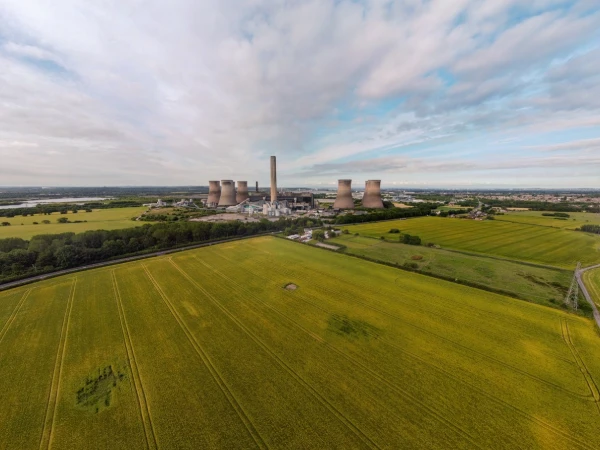
A lot of what we do falls under the broader label of reclamation, whatever industry it’s attached to. Whether it’s a pipeline corridor, a landfill cell, or an energy site, the underlying goal is the same: take land that’s been disturbed by industrial activity and bring it back to a stable, vegetated condition. Reclamation work often brings together all four of our core services in a single, coordinated project — clearing the site if needed, applying hydroseeding to establish vegetation, and installing erosion control to protect the ground while that vegetation grows in. Some of these projects are a single job from start to finish; others are ongoing, multi-year relationships where we return to a site repeatedly as it develops.